Professional Heating Maintenance Backed by 20+ Years of Local Experience
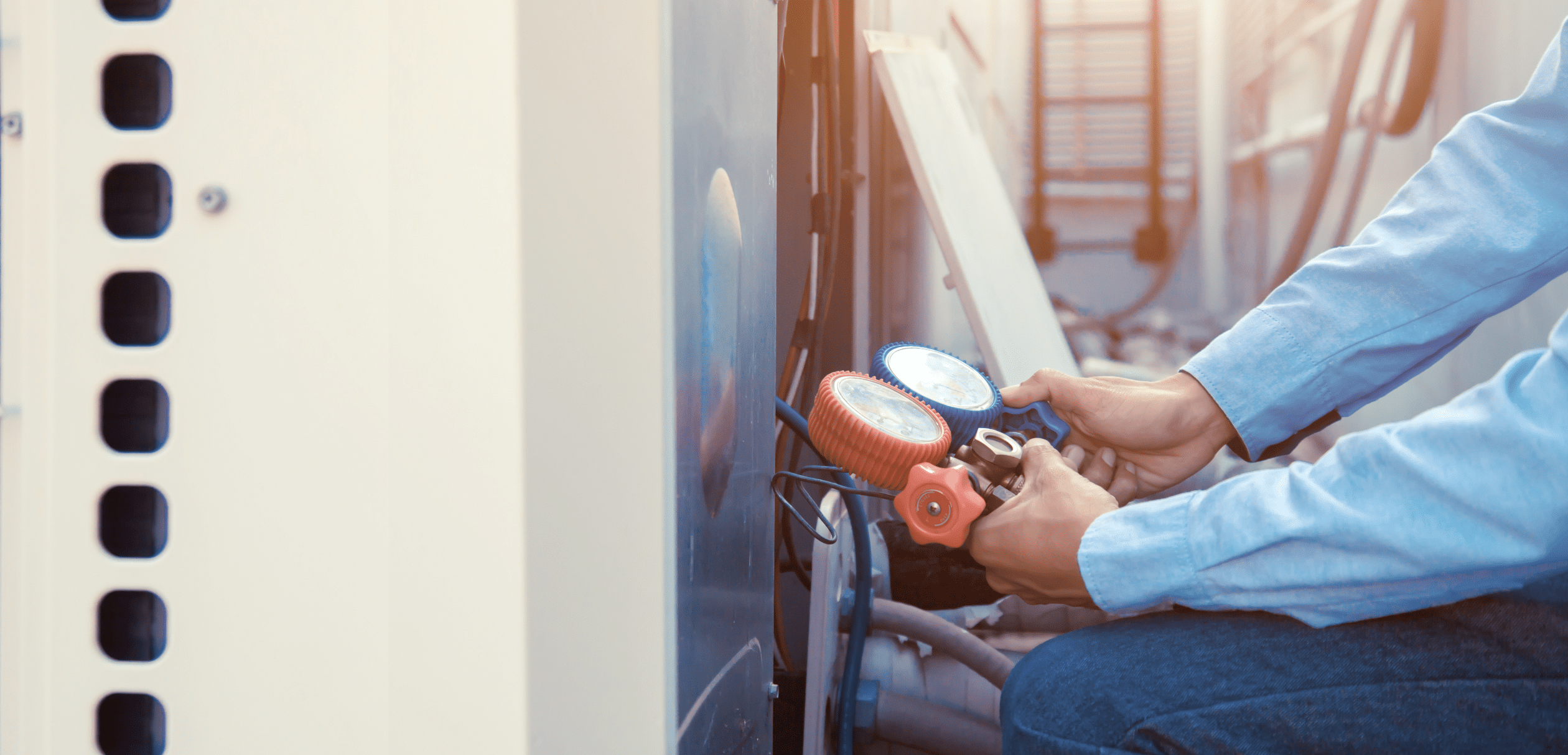
A furnace does not have to stop working before it needs attention. Furnace maintenance is an opportunity for Sandium’s experts to inspect the heating system while it is still operating.
Since 2001, Sandium Heating & Air Conditioning has provided heating and cooling services in San Jose and throughout the greater Bay Area. Our maintenance approach considers the furnace alongside airflow, ductwork, controls, and other conditions that can affect the way the system performs.
Request Furnace Maintenance
Explore Heating Services
What Does Furnace Maintenance Actually Do?
Furnace maintenance is preventive service that checks the condition, operation, and safety of the heating system before a major problem occurs.
A maintenance visit can identify worn components, airflow restrictions, electrical concerns, abnormal operation, and other conditions that may affect reliability or performance.
Depending on the equipment, maintenance may include:
- Inspecting heating components
- Checking the thermostat and controls
- Examining the blower and motor
- Inspecting burner and ignition components
- Checking electrical connections
- Evaluating airflow
- Inspecting the heat exchanger on applicable equipment
- Checking filters and condensate components
- Cleaning applicable components
- Testing system performance
- Performing safety checks
The exact maintenance procedure depends on the furnace type, equipment condition, manufacturer requirements, and findings during the appointment.
Maintenance is not a guarantee against future breakdowns. It is a way to obtain useful information about the system’s current condition and address applicable problems before they become more disruptive.
Signs Your Furnace May Be Due for Maintenance
You do not have to wait for a complete heating failure to schedule service. Changes in operation can justify an inspection.
Watch for:
- Longer heating cycles than usual
- Frequent starts and stops
- Uneven temperatures between rooms
- Reduced airflow from vents
- New rattling, grinding, squealing, or banging sounds
- A noticeable change in heating performance
- Increasing energy use without a corresponding change in usage
- Difficulty maintaining the thermostat setting
- A furnace that has not been professionally inspected recently
- An older system with a history of repairs
These symptoms do not identify a specific fault by themselves. They indicate that the system may benefit from evaluation.
What Is Checked During a Furnace Tune-Up?
A proper tune-up should involve more than cleaning the visible parts of the furnace. The technician should evaluate the components responsible for producing, controlling, and distributing heat.
Heating and Ignition Components
Burners, igniters, ignition components, and related controls can be inspected for condition and proper operation. Problems in these areas can affect whether a heating cycle starts and how reliably it operates.
Electrical Components
Electrical connections and applicable components can be checked for signs of wear or abnormal operation. Electrical inspection is particularly relevant because furnace operation depends on several electrically controlled components.
Blower and Airflow
The blower moves heated air through the distribution system. Restricted airflow, blower problems, dirty filters, or ductwork limitations can affect heating performance even when the furnace itself is producing heat correctly.
Heat Exchanger
On applicable gas furnaces, the heat exchanger separates combustion gases from the air circulated through the home. Its condition is an important part of a heating-system safety evaluation.
Thermostat and Controls
The thermostat communicates the desired temperature to the heating system. Control problems or incorrect operation can affect when the furnace starts, stops, and responds to temperature changes.
Performance and Safety
Maintenance should include operating the furnace through a heating cycle and checking applicable performance and safety conditions. Sandium’s published maintenance process includes system cleaning, electrical checks, performance testing, and safety checks.
How Often Should a Furnace Be Maintained?
For many residential furnaces, annual maintenance is a practical starting point. Scheduling service before the heating season allows potential problems to be identified before the furnace is operating more frequently.
The appropriate interval can vary based on:
- Furnace type
- Equipment age
- Manufacturer recommendations
- Operating hours
- Property conditions
- Previous repair history
- Commercial or residential use
A commercial or industrial heating system operating for long periods may require a different maintenance schedule from a residential furnace used seasonally.
The manufacturer’s maintenance requirements should take priority when they specify a particular service interval.
What Can Happen If Furnace Maintenance Is Neglected?
Skipping maintenance does not automatically cause a furnace to fail. However, it removes opportunities to identify developing problems and changes in system performance.
A system that is not regularly inspected may continue operating while components wear, airflow declines, or operating conditions change.
Potential consequences include:
- Problems going unnoticed for longer
- Declining heating performance
- Reduced airflow
- Unexpected repair needs
- Increasing operating costs
- More noticeable comfort problems
- Greater difficulty identifying when system performance began changing
Maintenance is therefore most useful as part of an ongoing approach to equipment condition, rather than as a promise that breakdowns will never occur.
Why Is My Furnace Running but My Home Still Feels Cold?
A furnace can be operating normally while the home still has comfort problems. Heating performance depends on more than the furnace itself.
Cold rooms can result from:
- Leaking ductwork
- Restricted ducts
- Inadequate return airflow
- Insufficient insulation
- Air leakage
- Thermostat location
- Zoning or distribution problems
- Equipment sizing
- Changes to the home’s layout
If a maintenance visit reveals that the furnace is functioning properly but the home remains uncomfortable, investigating the distribution system may be more useful than replacing the furnace.
Sandium also provides air duct repair and air duct installation when ductwork is part of the problem.
Can Furnace Maintenance Identify a Larger HVAC Problem?
Yes. A furnace inspection can reveal conditions that originate outside the furnace.
For example, a technician may find that a complaint about weak heating is associated with airflow rather than heat production. Similarly, persistent temperature differences may point toward ductwork, insulation, controls, or building-performance conditions.
For broader energy-performance concerns, a home energy audit can provide additional information about insulation, air leakage, HVAC performance, and other factors affecting the property.
The benefit of this approach is diagnostic clarity. You can distinguish a furnace-maintenance issue from a larger building or HVAC-system issue before committing to unnecessary work.
When Maintenance Reveals a Repair Problem
Maintenance and repair are related, but they serve different purposes.
Maintenance evaluates and services a functioning system as preventive care. Repair addresses a specific problem that has already developed.
A maintenance appointment may uncover a component that requires repair. That does not mean every finding calls for immediate replacement of the furnace.
If a repair is practical and the equipment remains in reasonable condition, continuing to operate the existing furnace may make sense.
Sandium provides furnace repair services when a specific heating problem requires corrective work.
When Should Furnace Replacement Be Considered?
Maintenance can also provide useful information when a furnace is approaching the point where replacement deserves consideration.
Replacement may warrant closer evaluation when:
- The furnace is aging
- Repairs have become frequent
- Major components are failing
- Repair costs are becoming difficult to justify
- Heating performance has declined
- The system no longer suits the property
- The existing HVAC configuration is being reconsidered
Age alone does not determine whether replacement is necessary. Equipment condition, reliability, repair history, comfort, operating performance, and the property’s long-term needs all matter.
If another contractor has recommended replacement, Sandium offers free second opinions so homeowners can obtain another professional assessment before making a major investment.
Furnace Maintenance vs. DIY Furnace Care
Homeowners can handle some basic maintenance tasks, but professional service involves inspection and testing that goes beyond routine household upkeep.
A homeowner can generally keep the area around the furnace clear, replace filters according to the equipment’s requirements, and pay attention to changes in sound, airflow, and heating performance.
Professional maintenance can address components and operating conditions that require appropriate technical knowledge, tools, and safety procedures.
If you notice a new furnace symptom, do not assume that changing the filter will resolve it. A filter can affect airflow, but it is only one part of the heating system.
What Happens During a Furnace Maintenance Appointment?
A maintenance visit should give you useful information about the condition of the heating system, not simply a completed checklist.
1. Review the System History
Tell the technician about any changes you have noticed, including longer cycles, unusual sounds, uneven temperatures, reduced airflow, or previous repairs.
2. Inspect the Furnace
The technician examines applicable heating, electrical, ignition, control, blower, and safety-related components based on the equipment and maintenance requirements.
3. Evaluate Airflow and Related Conditions
Where appropriate, airflow and other conditions affecting heating performance are considered. If ductwork appears to be contributing to the problem, additional evaluation may be appropriate.
4. Clean Applicable Components
Sandium’s published maintenance process includes system cleaning as part of its furnace maintenance service.
5. Test Operation
The furnace is operated through a heating cycle so applicable performance and operating conditions can be evaluated.
6. Explain the Findings
If the technician identifies a developing problem or condition requiring attention, you should receive an explanation of what was found and what options are available.
7. Decide What Comes Next
Depending on the findings, the appropriate next step may simply be continued maintenance, a repair, additional HVAC work, or eventual replacement.
Why Sandium for Furnace Maintenance?
Sandium has provided HVAC services since 2001 and operates from San Jose under California contractor license #1140043. The company identifies C-20, C-2, and B General Building Contractor credentials and describes its personnel as licensed and factory-trained.
Sandium’s broader HVAC capabilities include heating, cooling, ductwork, heat pumps, ductless systems, indoor air quality services, and home energy audits. That broader scope can be useful when a maintenance visit identifies a problem outside the furnace itself.
The company also promotes 24/7 availability, free second opinions, and no-obligation estimates on applicable services. Sandium identifies itself as bonded and insured and states that its teams receive safety training twice monthly.
Furnace Maintenance FAQs
Can furnace maintenance improve efficiency?
It can address conditions that interfere with normal operation, such as restricted airflow, dirty components, or developing mechanical problems. Actual energy performance also depends on equipment efficiency, sizing, ductwork, insulation, controls, and building conditions.
Does annual maintenance prevent furnace breakdowns?
No maintenance program can eliminate every breakdown. Regular service can help identify wear and operating problems earlier, which may reduce the likelihood of some avoidable failures.
Should I repair or replace an older furnace?
Age alone should not determine the decision. Consider the furnace’s condition, repair history, efficiency, parts availability, heating performance, airflow, repair cost, and your long-term plans for the property.
Can ductwork affect furnace performance?
Yes. Leaky, restricted, damaged, or poorly configured ductwork can affect airflow and temperature distribution. If some rooms remain cold while the furnace appears to operate normally, the duct system deserves consideration.
How often should I schedule furnace maintenance?
Annual service is a practical starting point for many residential systems. The appropriate schedule can vary according to the equipment, manufacturer recommendations, operating conditions, and usage.
Does Sandium offer a second opinion?
Yes. Sandium currently advertises free second opinions. This can be useful when another contractor has recommended a major repair or furnace replacement and you want another evaluation before proceeding.
Serving San Jose and the Greater Bay Area
San Jose is Sandium’s home base, but the company also serves communities throughout the greater Bay Area. Our service areas are Sunnyvale, Los Altos Hills, Los Altos, Saratoga, Los Gatos, Menlo Park, Campbell, Cupertino, Mountain View, Palo Alto, and Santa Clara, among other communities.
For homeowners outside San Jose, Sandium maintains dedicated area pages, including Santa Clara HVAC services and Palo Alto HVAC services.
Keep Your Furnace Ready Before You Need It
Routine furnace maintenance gives you more information about the condition of your heating system and creates an opportunity to address developing problems before they become urgent.
If your furnace is showing signs of declining performance, or you simply want to have the system evaluated before the next heating season, Sandium can assess the equipment and the conditions affecting its operation.
Request Furnace Maintenance or contact Sandium to schedule an evaluation.