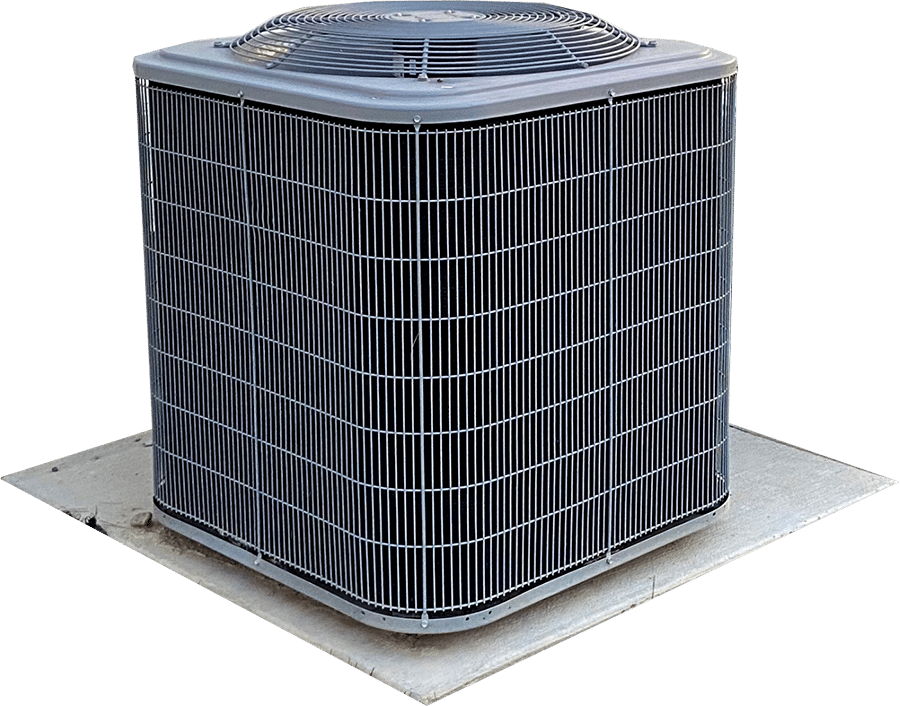
An accessory dwelling unit’s floor plan, insulation, windows, and occupancy all influence HVAC design. The system also needs appropriate capacity, air distribution, controls, equipment placement, ventilation considerations, service access, and coordination with the construction.
Sandium Heating & Air Conditioning has served San Jose and the greater Bay Area since 2001. Our licensed professionals and factory-trained teams provide HVAC design, installation, heating, cooling, ductwork, and indoor air quality services for residential projects.
Whether you are building a detached backyard ADU, converting a garage, adding an attached unit, or remodeling an existing space, we’re here to help.
Planning an ADU HVAC project? A free estimate or second opinion can help you evaluate the available system configurations before equipment and installation details are finalized.
Request an ADU HVAC Estimate or Second Opinion
Why ADU HVAC Design Requires More Than Square Footage
Two ADUs with the same floor area can have very different heating and cooling loads.
A detached unit may have greater exterior exposure than an attached unit. A garage conversion may have existing insulation or electrical limitations. A new ADU may be designed around equipment and ductwork from the beginning, while a retrofit has to work within existing framing and ceiling space.
HVAC planning should account for:
- Conditioned floor area
- Insulation levels
- Window size, orientation, and performance
- Ceiling height
- Building envelope
- Occupancy and expected usage
- Internal heat gains
- Local climate conditions
- Available electrical capacity
- Equipment location
- Duct or refrigerant-line routing
- Return-air requirements
- Service clearances
- Ventilation requirements
This information helps determine the system capacity and configuration rather than using square footage as a substitute for load analysis.
What HVAC System Is Best for an ADU?
There is no universal best HVAC system for an ADU. Ductless mini-splits, multi-zone systems, ducted systems, and heat pumps can all be appropriate depending on the building.
The physical constraints of the unit often influence the decision as much as the equipment itself.
A detached ADU with limited mechanical space may favor ductless equipment. A larger unit designed with adequate attic or ceiling space may accommodate a ducted system. A homeowner replacing separate heating and cooling equipment may also consider a heat pump that handles both functions.
The system should provide appropriate capacity and temperature control while leaving enough room for installation, maintenance, and future service.
Ductless Mini-Splits for ADUs
Ductless mini-splits can be practical when installing conventional ductwork would consume valuable space or require significant construction.
A single-zone configuration can condition a primary living area, while a multi-zone system can provide separate indoor units for different areas of the ADU. This can be useful when rooms have different occupancy patterns or comfort requirements.
Ductless equipment can also simplify HVAC planning for detached units and garage conversions because conditioned air does not have to travel through a traditional duct network.
Sandium provides ductless mini-split services as part of its heating and cooling capabilities.
Explore Ductless Mini-Split Services
When Does a Ducted System Make Sense?
A ducted HVAC system may be appropriate when the ADU has sufficient space for supply ducts, return-air pathways, registers, and equipment.
For new construction, duct routes can be coordinated with framing and other mechanical systems before the walls and ceilings are finished. That can provide more flexibility than trying to install ductwork after construction is complete.
Existing ductwork also needs to be evaluated rather than automatically reused. Leaks, restrictions, poor sizing, or inadequate return-air pathways can affect the performance of a new HVAC system.
Learn About Air Duct Installation and Replacement
Are Heat Pumps a Good Choice for an ADU?
Heat pumps can be a strong option when an ADU needs both heating and cooling from one system. They transfer heat rather than generating it through conventional combustion and can operate in both heating and cooling modes.
They may be worth considering for new construction, equipment replacement, or projects where the homeowner is evaluating an all-electric HVAC configuration.
The suitability of a heat pump still depends on the building envelope, heating and cooling loads, electrical requirements, equipment location, distribution system, and the property’s comfort goals.
How Is HVAC Capacity Determined for an ADU?
HVAC capacity should be based on the ADU’s calculated heating and cooling requirements, not simply its square footage.
An appropriate design considers the amount of heat entering and leaving the space under relevant operating conditions. Window exposure, insulation, orientation, occupancy, construction, and other building characteristics can change the load.
Oversized equipment may cycle more frequently than intended and can have difficulty maintaining consistent conditions. Undersized equipment may struggle when heating or cooling demand increases.
Getting the capacity right also affects equipment selection, duct design, electrical requirements, and operating performance. Load calculations should therefore be completed before the equipment is finalized.
Should an ADU Have Its Own HVAC System?
A dedicated HVAC system is often practical, but it is not automatically required for every ADU configuration.
The answer depends on the relationship between the ADU and primary residence, existing HVAC capacity, system design, applicable requirements, and how independently the space needs to operate.
A dedicated ductless system or heat pump can provide independent temperature control without relying on the main home’s equipment. Other projects may involve different arrangements.
Simply extending an existing residential HVAC system into an ADU can create capacity, zoning, ductwork, control, and comfort issues if the original system was not designed to serve the additional conditioned space.
Plan the HVAC Before the ADU Is Finished
HVAC decisions become harder when equipment locations and distribution routes are left until the end of construction.
For a new ADU, HVAC planning should be coordinated with:
- Framing and ceiling cavities
- Electrical service
- Equipment platforms and mounting locations
- Refrigerant-line routes
- Ductwork
- Supply and return-air pathways
- Condensate drainage
- Thermostat and control locations
- Outdoor equipment placement
- Service clearances
- Ventilation requirements
Early planning can prevent a situation where the preferred equipment cannot be installed in the intended location or where ductwork, electrical, plumbing, and structural elements compete for the same space.
Garage conversions and remodels present different challenges because existing framing, insulation, ceilings, electrical systems, and access may already be fixed.
What About Ventilation and Indoor Air Quality?
Heating and cooling do not automatically provide all of the ventilation required for an occupied dwelling.
An ADU’s HVAC design should distinguish between space conditioning, filtration, and outdoor-air ventilation. For example, a ductless mini-split can heat and cool an interior space without functioning as a complete outdoor-air ventilation system.
Ventilation requirements depend on the project’s construction and applicable requirements. Filtration, airflow, ductwork, and other indoor air quality considerations can also affect how the finished space performs.
Sandium provides indoor air quality and ductwork services that can be considered alongside HVAC planning.
Explore Indoor Air Quality Services
New ADU or Garage Conversion: Does the HVAC Approach Change?
Yes. New construction provides more opportunities to coordinate HVAC with the building, while conversions and remodels must work around existing conditions.
A new ADU can account for equipment space, duct routes, electrical requirements, and controls during the design phase. This can make it easier to position HVAC components without compromising finished spaces.
A garage conversion may have existing slab, framing, ceiling, insulation, and electrical conditions that limit the available options. The project may therefore favor a compact ductless configuration or require additional work before a ducted system can be installed.
The right approach depends on the actual construction rather than whether the project is labeled a new build or conversion.
What Happens During an ADU HVAC Design and Installation Project?
A properly planned installation should connect the equipment decision to the physical requirements of the unit.
1. Evaluate the Project
Sandium reviews the ADU’s size, layout, construction, insulation, windows, intended occupancy, existing HVAC equipment, and available installation space.
2. Establish Heating and Cooling Requirements
The property’s characteristics are used to determine the heating and cooling requirements that the system needs to meet.
3. Compare System Configurations
Potential options may include ductless mini-splits, multi-zone systems, ducted HVAC, or heat pump configurations.
4. Determine Equipment Locations
Indoor and outdoor equipment locations are planned around clearances, connections, access, appearance, airflow, and future service requirements.
5. Coordinate Distribution
If the system uses ductwork, supply and return pathways need to be incorporated into the building design. Ductless systems require appropriate indoor-unit placement and refrigerant-line routing.
6. Complete the Installation
Sandium’s licensed professionals install the selected HVAC system and associated components according to the project requirements.
7. Test System Operation
The completed installation is checked for appropriate operation, controls, airflow, and other applicable performance factors.
8. Review the System With the Owner
The homeowner should understand thermostat or controller operation, basic filter care, maintenance considerations, and what constitutes abnormal system behavior.
What California Requirements Apply to ADU HVAC Projects?
ADU construction can involve building, mechanical, energy, ventilation, electrical, and permitting requirements. The exact requirements depend on the project’s scope, construction type, location, and applicable regulations.
HVAC design should therefore be coordinated with the project’s architect, designer, builder, and permitting authority when required.
It is also important not to assume that every ADU has identical requirements. New construction, garage conversions, attached units, and other project types can present different conditions.
Sandium can address the HVAC design and installation portion of the project while other applicable construction and permitting responsibilities are coordinated by the appropriate project professionals.
How Should You Budget for ADU HVAC Installation?
ADU HVAC costs can vary substantially because installation complexity differs from one project to another.
Factors that can affect the project include:
- Equipment type and capacity
- Number of zones or indoor units
- Electrical requirements
- Ductwork installation or modification
- Refrigerant-line routing
- Equipment accessibility
- Construction stage
- Structural or finish constraints
- Condensate management
- Required controls
- Existing HVAC conditions
A project estimate should therefore account for the installation itself rather than relying on the equipment’s purchase price alone.
Sandium advertises flexible financing through GoodLeap. Financing terms and approval requirements depend on the applicable program.
Certain high-efficiency HVAC equipment may also qualify for rebates or incentives, but eligibility varies by program, equipment, utility, and project conditions. Current requirements should be verified before an incentive is included in the project budget.
What Happens After the ADU HVAC Installation?
The project does not end when the equipment starts running.
The owner should understand how to operate the system, maintain filters where applicable, recognize unusual operating conditions, and schedule maintenance according to the equipment manufacturer’s requirements.
For a rental ADU, it is also useful to provide occupants with clear instructions for normal operation and basic maintenance. Independent controls can make this especially important when the ADU is occupied separately from the primary residence.
If the system later develops weak airflow, unusual sounds, inconsistent temperatures, water issues, or other operating changes, professional evaluation can determine whether maintenance or repair is appropriate.
Why Use Sandium for ADU HVAC Design and Installation?
Sandium has served San Jose and the greater Bay Area since 2001, with more than 20 years of experience in residential HVAC design, installation, heating, cooling, ductwork, ventilation, air filtration, and home performance services.
The company lists California contractor license #1140043 and identifies C-20, C-2, and B General Building Contractor licenses.
Sandium states that its teams are factory trained and receive mandatory safety training twice each month. Its approach emphasizes evaluating the property and building conditions alongside the HVAC equipment.
Sandium also advertises a 100% Satisfaction Guarantee, free estimates on installations, free second opinions, and financing options.
Learn More About Sandium’s Experience and Qualifications
ADU HVAC Services in San Jose and the Greater Bay Area
Sandium is based in San Jose and serves communities throughout the surrounding Bay Area, including San Jose, Sunnyvale, Los Altos Hills, Los Altos, Saratoga, Los Gatos, Menlo Park, Campbell, Cupertino, Mountain View, Palo Alto, Santa Clara, and Atherton, among other areas.
ADU projects can vary substantially across the region because the existing housing stock, lot configuration, construction type, and available mechanical space differ from property to property.
Frequently Asked Questions
Can a mini split heat and cool an ADU?
Yes. Many ductless heat pump systems can provide both heating and cooling. Whether one is appropriate depends on the ADU’s size, layout, load requirements, and installation conditions.
Does an ADU need its own HVAC system?
Not necessarily. The appropriate configuration depends on the ADU, existing HVAC system, project classification, and applicable requirements. A dedicated system is one option, particularly when independent temperature control is desirable.
Are heat pumps a good option for ADUs?
They can be. A heat pump can provide heating and cooling through one system and may fit well with an all-electric design. The system still needs to be properly sized and matched to the building.
Can Sandium install HVAC for a new ADU?
Sandium provides residential HVAC design and installation, including ductless systems, heat pumps, ductwork, heating, cooling, and indoor air quality services. The appropriate system is determined by the project’s requirements.
Does Sandium offer financing?
Yes. Sandium advertises flexible financing options through GoodLeap for qualifying customers. Terms and approval requirements vary.
Can I get a second opinion on an ADU HVAC proposal?
Yes. Sandium advertises free second opinions, making it possible to review an existing recommendation before committing to an installation.
Plan the HVAC Before You Build the ADU
An ADU is a compact living environment where HVAC decisions can affect comfort, usable space, operating costs, and the finished design. The right system depends on the building, not simply the number of square feet.
Sandium Heating & Air Conditioning brings more than 20 years of Bay Area experience to ADU HVAC projects, with licensed professionals, factory-trained teams, engineering-focused system design, and services covering heating, cooling, ductwork, and indoor air quality.
If you’re planning a detached ADU, garage conversion, attached unit, or ADU remodel in San Jose, start with an evaluation of the space and its HVAC requirements.
Request a free estimate or second opinion from Sandium to discuss your ADU HVAC options.