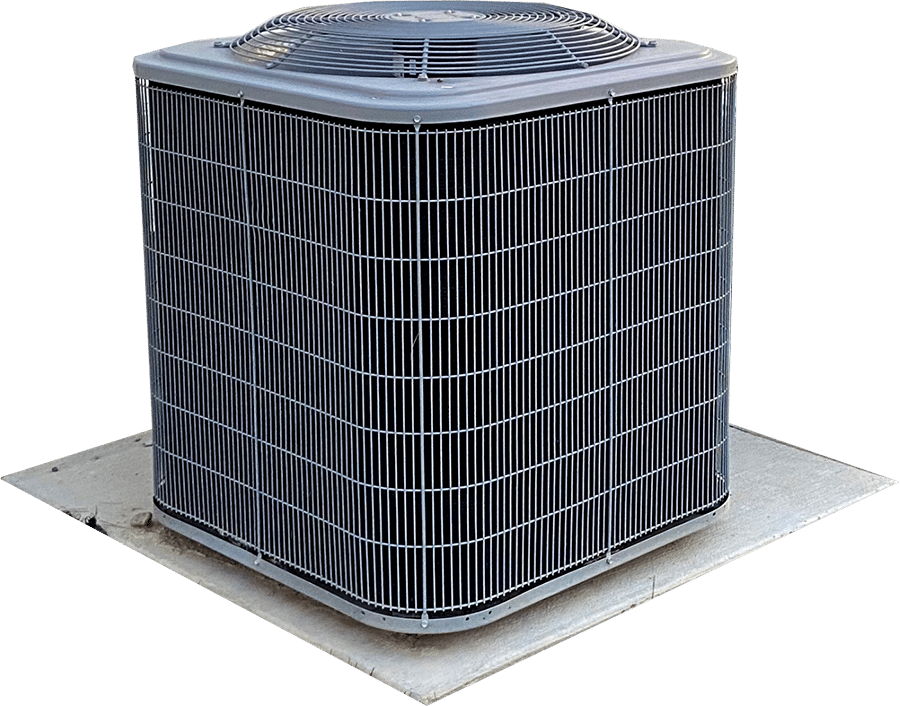
A heat pump can provide both heating and cooling with one system, making it an option worth considering for many Santa Clara properties. But selecting equipment is only one part of the project. Ductwork, airflow, electrical capacity, insulation, building size, and how individual spaces are used can all affect the result.
Sandium Heating & Air has provided HVAC services in the Bay Area since 2001. Our licensed, bonded, and insured team works with residential, commercial, and other properties, evaluating the existing HVAC system and building conditions before recommending a heat pump installation, replacement, repair, or retrofit. Sandium holds California License #1140043 with C-20, C-2, and B General Building Contractor classifications. Its factory-trained teams also receive mandatory safety training twice each month.
Considering a heat pump for your Santa Clara property? Contact Sandium for an evaluation, free second opinion, or no-obligation estimate.
Why Consider a Heat Pump in Santa Clara?
Yes. A heat pump can be well suited to Santa Clara’s moderate climate because it can provide both heating and cooling from the same system.
Rather than creating heat through combustion, a heat pump transfers heat. In cooling mode, it moves heat out of the building. In heating mode, the refrigeration cycle reverses to move available heat indoors.
This makes heat pumps worth considering when replacing aging heating and cooling equipment or when planning an all-electric HVAC upgrade.
That does not mean every Santa Clara property should receive the same system. Equipment capacity, electrical requirements, ductwork, insulation, airflow, property layout, and heating and cooling loads all influence whether a heat pump is appropriate and which configuration makes sense.
Heat Pump Installation Starts With the Property
A heat pump installation should begin with an evaluation of the building and existing HVAC system, not simply the selection of equipment.
Sandium’s heat pump services can be considered for both new installations and replacements. Depending on the property, the evaluation may consider:
- Existing heating and cooling equipment
- Ductwork and air distribution
- Airflow
- Electrical configuration
- Building size and layout
- Insulation and other building conditions
- Comfort concerns
- Existing controls
- Whether central or ductless equipment is appropriate
- Future heating and cooling requirements
This matters because a new heat pump can only perform as well as the system supporting it. Significant duct restrictions, inadequate airflow, or other building conditions may need to be addressed as part of the larger project.
Heat Pump Repair and Troubleshooting
A heat pump does not have to stop operating completely before it warrants an evaluation.
Schedule service if you notice:
- Uneven heating or cooling
- Reduced airflow
- Unusually long operating cycles
- Frequent cycling
- Unexpected changes in energy use
- Unusual operating sounds
- Water or drainage problems
- Repeated system failures
- Thermostat problems
- A noticeable decline in heating or cooling performance
These symptoms can have several possible causes. Problems may involve controls, airflow, electrical components, refrigeration-related conditions, drainage, or other system components.
The symptom alone does not identify the failed component. A proper evaluation helps determine what is actually affecting system operation.
Heat Pump Maintenance for Year-Round Operation
Heat pumps operate in both heating and cooling modes, so the condition of the system matters throughout the year.
Routine heat pump maintenance provides an opportunity to evaluate operating conditions, airflow, controls, and other relevant components. It can also provide useful information about an aging system when a homeowner is deciding whether continued repair is practical.
Maintenance is not a substitute for repairing a system that has already developed a significant fault. Its value is in monitoring system condition and identifying issues that warrant attention.
Central Heat Pump or Ductless System?
The property’s layout should help determine the system configuration.
A central heat pump can be appropriate when a home already has functional ductwork that can support the system. It provides centralized heating and cooling through the existing air distribution network.
A ductless mini-split heat pump may be more suitable for an addition, individual room, converted space, ADU, or property where extending conventional ductwork would be impractical.
Sandium provides both conventional HVAC and ductless mini-split services. Its Santa Clara service information specifically identifies ductless systems for room additions, converted garages, and homes without suitable ductwork.
The decision should account for the property’s current configuration rather than defaulting to one system type.
Can a Heat Pump Use Existing Ductwork?
Yes. A heat pump can often operate through existing ductwork, provided the distribution system is suitable for the equipment and the property’s airflow requirements.
Older or damaged ducts can present problems. Leaks, restrictions, disconnected sections, poor configuration, or inadequate return air can affect how effectively conditioned air reaches the rooms.
Replacing the outdoor unit without addressing significant distribution problems may leave the homeowner with the same comfort complaint.
Sandium provides air duct repair and air duct installation as part of its broader HVAC capabilities.
This can be particularly relevant when upgrading HVAC equipment in an older Santa Clara home where the duct system was designed around different equipment or an earlier property configuration.
Heat Pump Performance Depends on More Than Equipment Efficiency
A high-efficiency heat pump cannot correct every building-performance problem.
If one room stays too warm while another remains cold, possible causes can include:
- Duct restrictions or leakage
- Inadequate return airflow
- Insulation limitations
- Air leakage
- Solar exposure
- Room layout
- Equipment sizing
- Changes made during remodeling
- Different heating and cooling loads between spaces
When these conditions are present, installing new equipment without investigating them may produce disappointing results.
Sandium also provides home energy audits that consider building and HVAC performance. Its broader home-performance services include energy auditing, ventilation, air filtration, and related building-performance work.
Heat Pumps and Furnaces Are Not the Same Choice
A heat pump is not automatically a better replacement for a furnace.
A heat pump can provide both heating and cooling. A conventional furnace primarily provides heat and is typically paired with separate cooling equipment.
The appropriate choice depends on factors such as:
- Existing HVAC equipment
- Electrical configuration
- Ductwork
- Heating and cooling requirements
- Property layout
- Building conditions
- Installation goals
- Long-term operating preferences
For a homeowner replacing both an aging furnace and AC system, a heat pump can be evaluated as one complete HVAC option. For another property, a different configuration may make more practical sense.
Sandium provides both heating services and heat pump services, allowing the equipment decision to be based on the property.
When Does a Heat Pump Need Replacement?
Replacement generally becomes worth discussing when the system’s condition, repair history, performance, serviceability, and projected repair costs make continued operation less practical.
Consider:
- Overall equipment condition
- Repair history
- Frequency of breakdowns
- Proposed repair cost
- Heating and cooling performance
- System efficiency
- Airflow
- Ductwork condition
- Electrical requirements
- Parts availability
- Current property requirements
- Long-term HVAC goals
Equipment age is relevant, but it should not be the only factor.
A relatively isolated problem may justify repair. A system with recurring failures, deteriorating major components, or increasingly difficult repairs may warrant a replacement discussion.
Sandium offers free second opinions for homeowners considering major HVAC decisions and free estimates on installations.
Could a Heat Pump Work Well for a Santa Clara ADU?
It can, particularly when an ADU has limited mechanical space or does not have practical access to conventional ductwork.
A ductless heat pump can provide heating and cooling without requiring a central duct network. That can be useful for an accessory dwelling unit, addition, converted space, or individual area.
The system still needs to match the space. The evaluation should account for:
- ADU size and layout
- Electrical capacity
- Insulation
- Occupancy
- Heating and cooling requirements
- Available equipment location
- Relationship to the existing HVAC system
Sandium’s Santa Clara service information identifies ductless systems for additions and spaces where conventional ductwork is not practical.
What Happens During a Heat Pump Evaluation?
The process should give you enough information to understand both the recommendation and the reasoning behind it.
1. Discuss the Property
The technician reviews the property’s current HVAC system, comfort complaints, planned improvements, and goals for the project.
2. Evaluate the Existing System
Relevant equipment, controls, airflow, ductwork, and building conditions are considered. For a replacement, the condition and limitations of the existing system also matter.
3. Determine the Appropriate Configuration
The evaluation helps determine whether a central heat pump, ductless system, repair, replacement, or another HVAC approach is appropriate.
4. Review the Recommendation
You should understand why the proposed system fits the property, what work is involved, and whether related ductwork or building issues need attention.
5. Complete and Test the Work
After installation or service, the system should be evaluated for proper operation and the original project requirements or comfort concerns reviewed.
This process helps separate an equipment problem from a larger airflow or building-performance issue.
Santa Clara Properties Can Have Very Different HVAC Requirements
Santa Clara’s housing stock varies considerably. The city’s Housing Element describes southern Santa Clara as historically containing older single-family neighborhoods, Santa Clara University, and the El Camino Real and Stevens Creek commercial corridors. Central Santa Clara also includes a pocket of older single-family homes, duplexes, and apartments alongside newer residential development.
The El Camino Real corridor is undergoing substantial redevelopment. The city’s adopted 2026 Specific Plan covers approximately 250 acres along the corridor and provides for a mix of housing, retail, and other uses, including capacity for thousands of new residential units.
That combination of established homes and newer construction creates different HVAC considerations.
An older home may have legacy ductwork, insulation limitations, or an electrical configuration that needs to be evaluated before a heat pump upgrade. A newer home or development may have different requirements involving controls, zoning, equipment sizing, and system integration.
Whether the property is near Mission Santa Clara de Asís, Santa Clara University, Central Park, or the El Camino Real corridor, the HVAC recommendation should be based on the building rather than the neighborhood name alone.
Why Work With Sandium on a Heat Pump Project?
Sandium has provided HVAC services in the Bay Area since 2001 and offers heating, cooling, HVAC design and engineering, ductwork, indoor air quality, energy auditing, and heat pump services.
The company is:
- Licensed, bonded, and insured
- California License #1140043
- Licensed under C-20, C-2, and B classifications
- Supported by factory-trained teams
- Committed to mandatory safety training twice each month
Sandium also lists affiliations with Build It Green, Home Performance with ENERGY STAR, Efficiency First, CBPCA, and ACCA and a 100% Satisfaction Guarantee.
For homeowners considering a major HVAC change, the ability to evaluate related systems can be useful. A heat pump project may involve more than replacing one piece of equipment, particularly when ductwork, airflow, insulation, or other building conditions affect the existing system.
Heat Pump Services in Santa Clara, CA
Sandium’s current service-area information lists Santa Clara among the communities it serves.
Services related to heat pump projects include:
- Heat pump installation
- Heat pump repair
- Heat pump maintenance
- Heat pump replacement
- Ductless mini-splits
- Air duct repair
- Air duct installation
- Home energy audits
- Heating and cooling services
Sandium is based in San Jose:
Sandium Heating & Air
1045 N 10th St
San Jose, CA 95112
(408) 894-9072
California License #1140043
Routine office hours are listed as Monday through Friday, 8:00 a.m. to 4:30 p.m. Contact Sandium for current scheduling and service availability.
Is a Heat Pump Right for Your Santa Clara Property?
A heat pump can be a practical heating and cooling solution, but the equipment should be selected around the property rather than the technology alone.
Existing ductwork, airflow, electrical capacity, insulation, building layout, comfort requirements, and long-term HVAC goals all deserve consideration before installation or replacement.
Sandium can evaluate the existing system, discuss heat pump options, and provide a free second opinion when you’re considering a major HVAC decision.
Request Heat Pump Service in Santa Clara
Sandium Heating & Air
1045 N 10th St, San Jose, CA 95112
(408) 894-9072
California License #1140043
Frequently Asked Questions
Can a heat pump replace both my furnace and air conditioner?
In some homes, yes. A heat pump can provide both heating and cooling, potentially replacing separate heating and cooling equipment. The existing ductwork, electrical configuration, property requirements, and system design should be evaluated first.
How often should a heat pump be serviced?
Service frequency depends on the equipment and operating conditions. Because heat pumps can operate for both heating and cooling, routine maintenance can help evaluate system condition and identify developing problems.
Are heat pumps suitable for older Santa Clara homes?
They can be. The important question is whether the home’s ductwork, insulation, electrical system, equipment sizing, and layout can support the proposed system. Older construction may require additional work before or during installation.
Can I install a heat pump without existing ductwork?
Yes. Ductless heat pumps can provide heating and cooling without conventional duct distribution. They may be particularly useful for additions, individual rooms, ADUs, and properties where installing ducts would be impractical.
Should I get a second opinion before replacing my heat pump?
A second opinion can be useful when you have received a significant repair or replacement recommendation. Sandium currently offers free second opinions, allowing another evaluation before you make a larger HVAC investment.
Find the Right Heat Pump Solution for Your Property
A heat pump installation should begin with the property, not a predetermined piece of equipment. The right system depends on how the building is constructed, how the space is used, and how heating and cooling are currently being delivered.
Whether you need heat pump repair, are considering a replacement, or want to determine whether a heat pump makes sense for your Santa Clara property, Sandium can evaluate the broader HVAC system before recommending a solution.
Contact Sandium to schedule an evaluation, request a free second opinion, or discuss a no-obligation estimate for your heat pump project.